



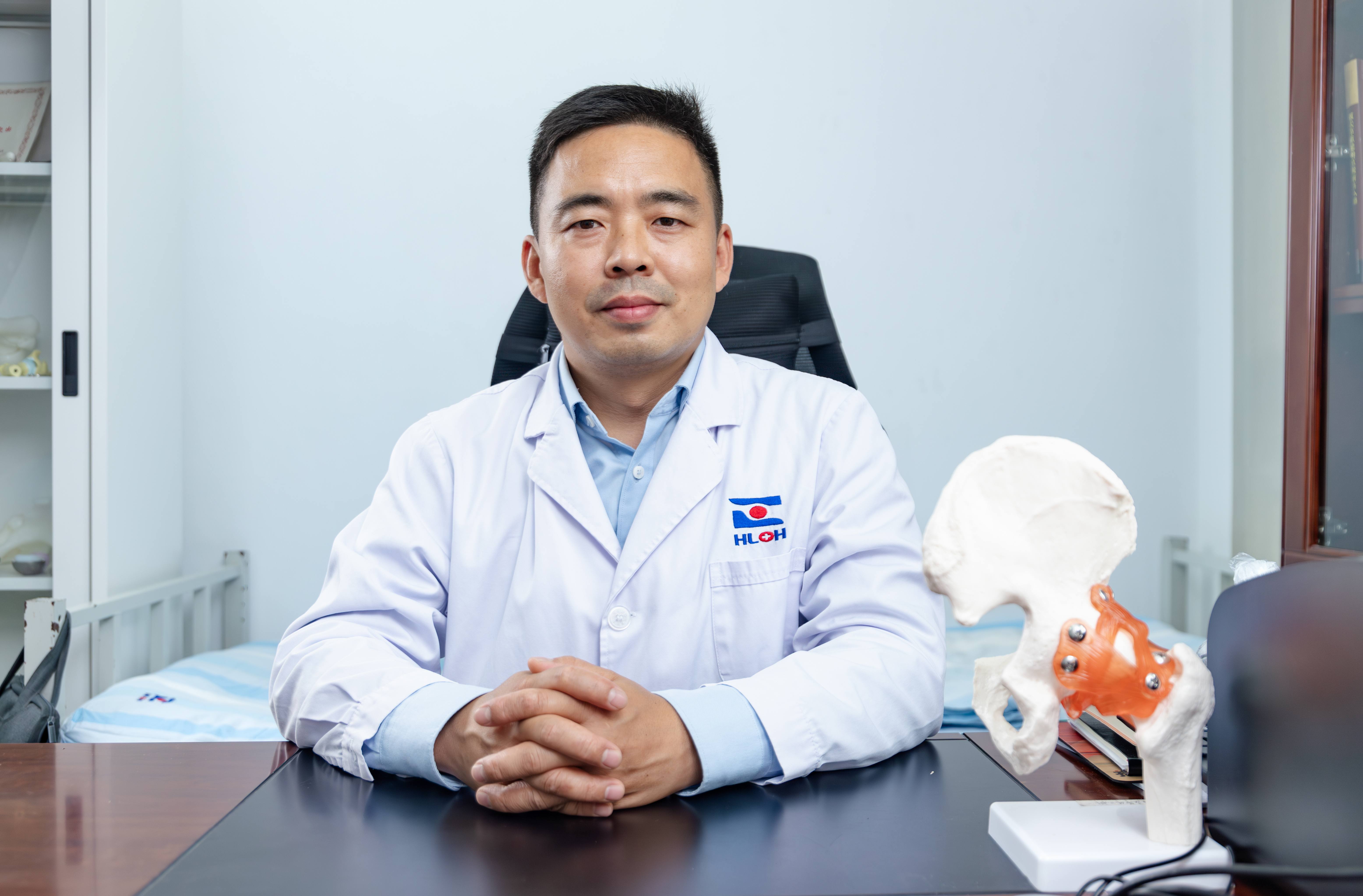
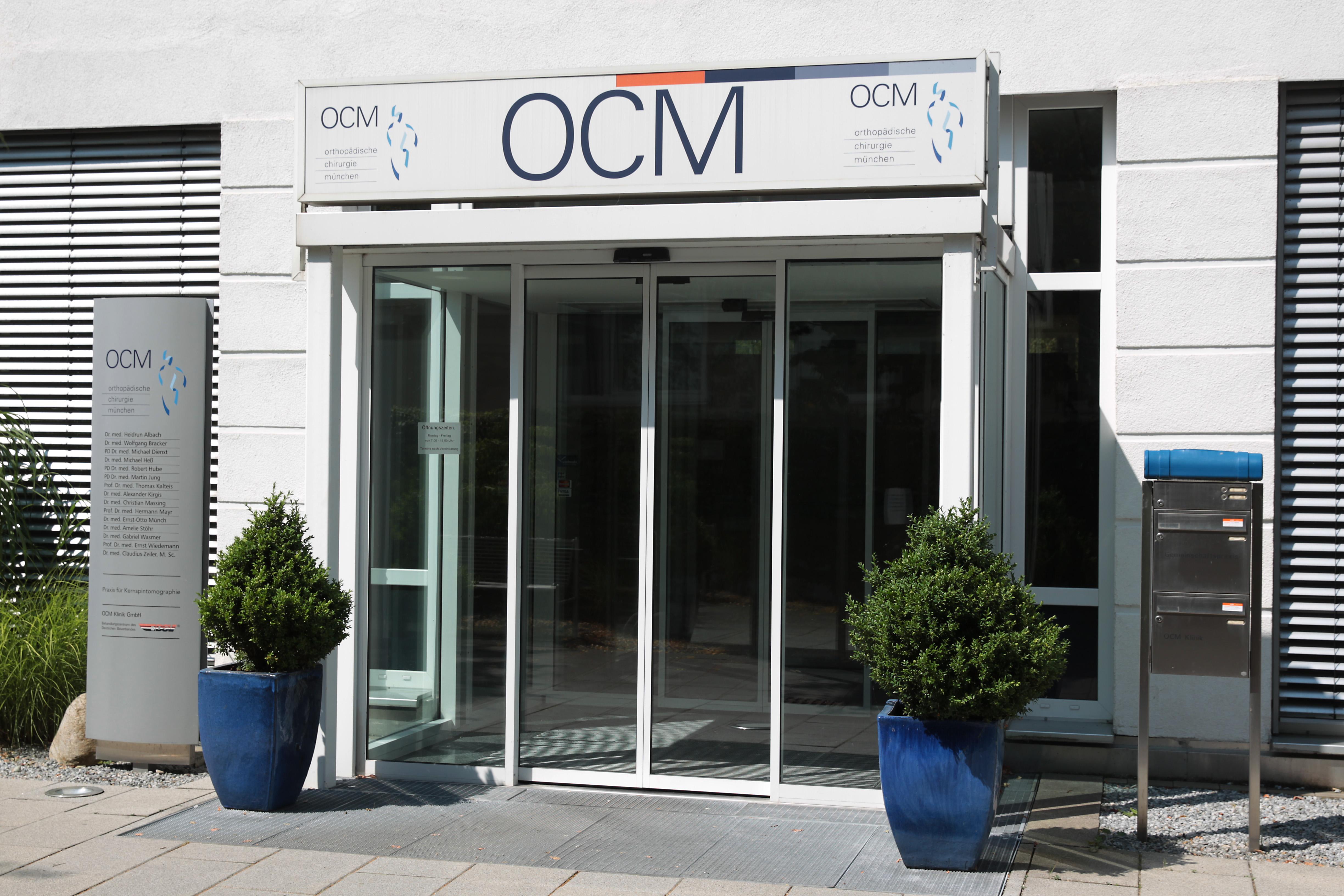
In December 2025, Dr. LIU Liyun, from the Second Department of Hip Surgery at Luoyang Orthopedic -Traumatological Hospital Of Henan Province(Henan Provincial Orthopedic Hospital), set off for Orthopaedische Chirurgie München (OCM) in Munich, Germany, to begin a three-month fellowship.
Before departure, Dr. LIU set a clear primary objective: to systematically learn minimally invasive hip surgery techniques in Germany and gain clinical experience in the application of hip arthroscopy. In preparation, he reviewed all the academic publications by Prof. Hube, one of OCM’s founders, and Prof. Dienst, former President of the International Society for Hip Preservation (ISHA). Upon arrival, he promptly engaged in in-depth discussions with both professors on the practical details of clinical practice and emerging research directions. These exchanges enabled him to refine his surgical techniques and further develop his research perspectives through the exchange of ideas and approaches.
During his fellowship at OCM, Dr. LIU drew on his years of clinical experience in hip surgery and worked seamlessly alongside the leading German orthopaedic team, assisting in 246 minimally invasive hip arthroplasty and hip arthroscopy procedures. This experience provided him with valuable hands-on exposure to patient-centred minimally invasive hip surgery techniques.
The German orthopaedic system’s meticulous attention to every detail of surgery gave him a firsthand appreciation of the precision and rigour characteristic of German medical practice. The high surgical turnover and standardised, well-coordinated perioperative management processes further impressed upon him the efficiency of German clinical practice. He particularly valued the opportunity to work alongside the OCM team in clinical practice, describing the fellowship as an eye-opening experience that significantly broadened his professional perspective.
Q1: Could you briefly introduce yourself?
I am LIU Liyun from the Department II of Hip Surgery at Luoyang Orthopedic-Traumatological Hospital Of Henan Province (Henan Provincial Orthopedic Hospital). My main research focus is on diseases and conditions affecting the hip joint and its surrounding structures. These include fractures in elderly patients, such as hip fractures, osteonecrosis of the femoral head in adults, as well as traumatic injuries of the hip. These conditions represent some of the major areas of our daily clinical practice and research.
Q2: Could you tell us about the preparations you made for this fellowship to Germany?
I would like to sincerely thank Gloryren and our hospital for providing me with this valuable opportunity to visit Europe for further study. When our hospital informed me that I would have the chance to go to Germany for academic exchange in December 2025, I was very excited. I then made a series of preparations in advance. For example, I learned more about the local culture, customs, and lifestyle. I also made an effort to improve my spoken English. Since most of our work in China is focused on clinical practice, English is not frequently used in our daily lives. Therefore, when we have the opportunity to study abroad, it is necessary for us to further strengthen our spoken English skills. At the same time, I also gained a preliminary understanding of the hospital I would be visiting, including its medical team, areas of expertise, and whether its clinical focus was consistent with our own work. I believe these were all important preparations that needed to be made beforehand, and I made thorough preparations in this regard. Therefore, I feel that making adequate preparations in the early stage can provide great help and improvement for our subsequent learning experience.
Q3: During your visit at Orthopädische Chirurgie München (OCM), where you also spent some time working at its Joint Replacement Center, did the experience meet your expectations? Did you learn any techniques related to your specialty in Germany?
Orthopedics in Germany has always been highly regarded and admired by orthopedic surgeons around the world. We know that joint replacement surgery originated in Germany. Although it has now been widely adopted globally, including the large number of joint replacement procedures performed in China today, there are still many concepts and techniques in orthopedics, especially minimally invasive approaches in joint replacement surgery, that we need to continue learning and improving. The purpose of my visit to OCM was to understand and learn their minimally invasive hip surgery techniques, including how they perform surgery through the direct anterior approach and the lateral approach, and how they achieve more minimally invasive, precise, and meticulous surgical procedures through a more refined and layer-by-layer approach.
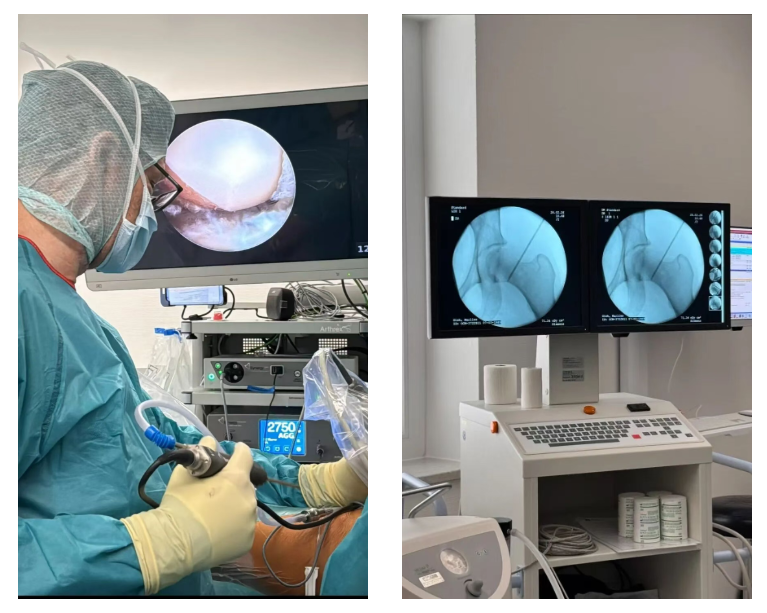
During my three months of study in Germany, I was truly very satisfied with the experience and gained a great deal. In addition, hip arthroscopy was also one of the important areas I hoped to learn during this visit. Another major purpose of this visit was to understand the developments and achievements in hip arthroscopy in Germany, and to explore how these techniques and experiences could be applied in China and incorporated into our own clinical practice. During my stay, I met Prof. Michael Dienst, the former President of the International Society for Hip Preservation Surgery (ISHA), who is working at OCM currently. He had scheduled operating days at OCM, and I was very fortunate to have the opportunity to observe his surgeries and even participate in some surgical procedures. I believe this experience has provided tremendous support in improving our hip arthroscopy techniques. Thank you.
Q4: Could you share with us the specific workflow of your work at Orthopädische Chirurgie München (OCM)?
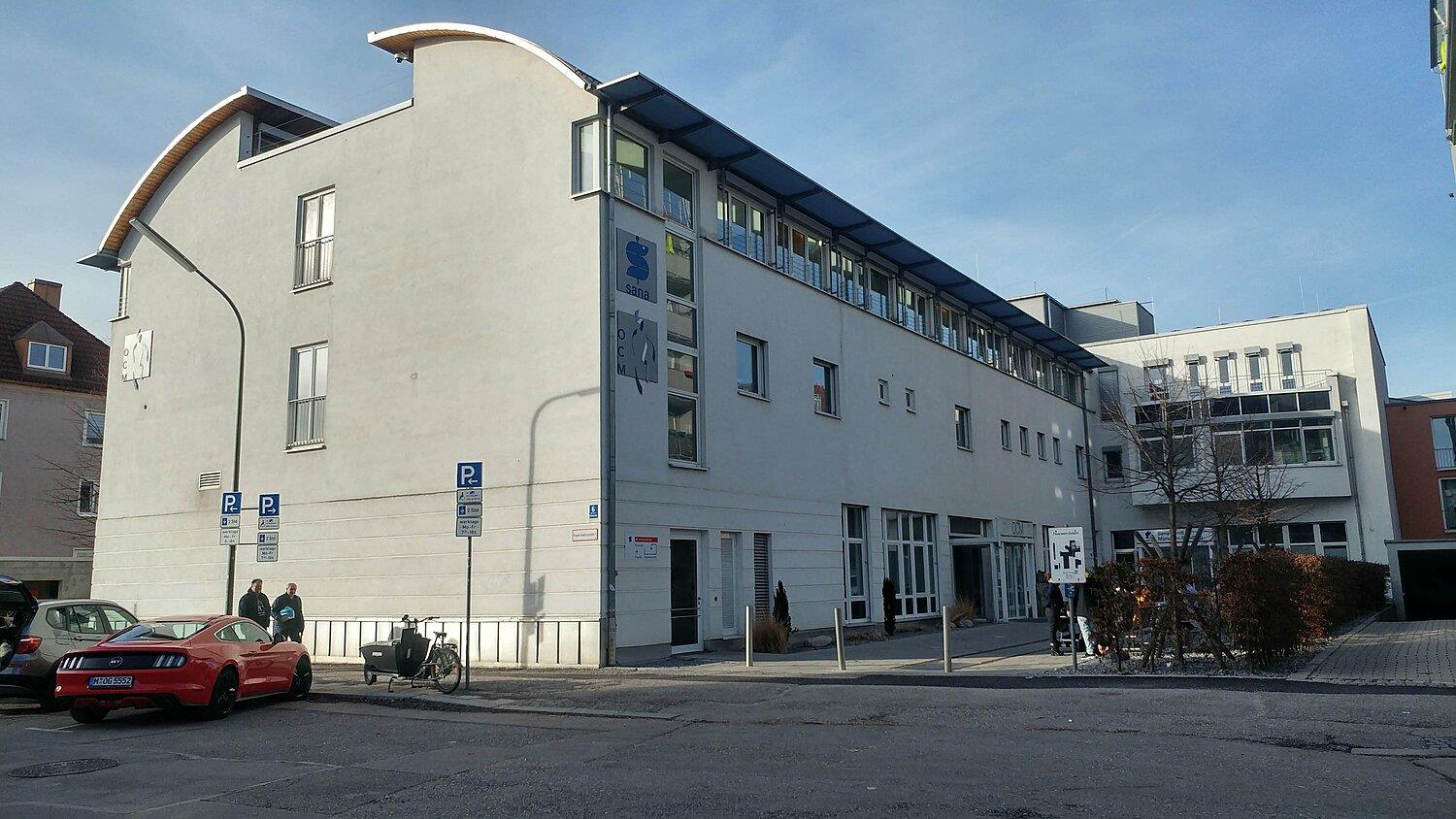
When I first arrived at Orthopädische Chirurgie München (OCM), I was truly impressed by the intensity of their workload. For me personally, it was a very eye-opening experience. Although the volume of joint surgeries at our hospital is among the highest in China, compared with OCM, which is one of the largest specialized orthopedic hospitals in southern Bavaria, Germany, its Joint Replacement Center also performs a remarkably large number of procedures.
After I arrived there, I found that their working day started at 7:00 a.m. I usually left my accommodation at around 6:30 a.m. and arrived at OCM on time at 7:00 a.m. I would then go directly to the operating room, change into surgical attire, and prepare for the procedures. At around 7:20 a.m., the first surgery would begin after completing the routine preoperative preparations, including instrument preparation, anesthesia preparation, and surgical site disinfection. At approximately 7:30 a.m. every day, the professor would come into the operating room, and the first surgery would officially start. In one operating room, they could usually complete around 7 to 8 surgeries per day. Their workflow and turnover between procedures were extremely efficient. My main responsibility was to serve as the first assistant during surgery, assisting the professors in performing joint replacement procedures, including hip and knee arthroplasty. Overall, the pace of work was very intensive. On a typical working day, the procedures would usually be completed at around 2:00 p.m. They could finish all 7 or 8 surgeries within that time frame. Their efficiency was truly remarkable, and the transition between surgeries was very well organized and highly coordinated. I believe this experience has provided us with valuable insights into operating room management and surgical workflow. There are many aspects of their efficient surgical coordination and process optimization that we can learn from and further improve upon in our own clinical practice in China. This was my overall experience.
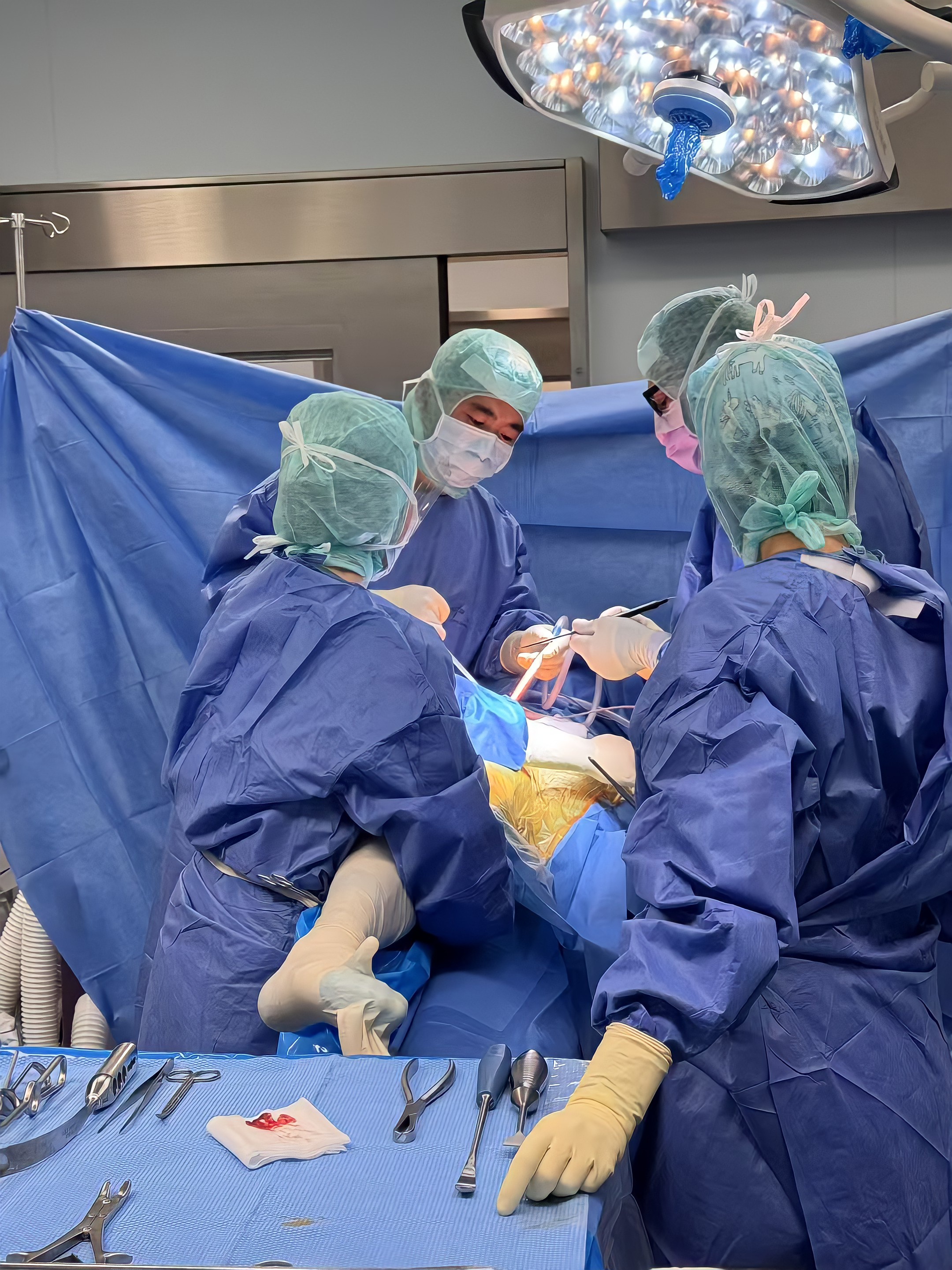
Q5: What was your impression of Prof. Hube, Prof. Michael Dienst, Dr. Michael Sostheim, Dr. Daniel Pfeufer, and all the team?
At Orthopädische Chirurgie München (OCM), there are around 21 experienced surgeons who independently perform surgeries. During my stay, I mainly focused on hip surgery and had the opportunity to work with three or four surgeons from the hip team.
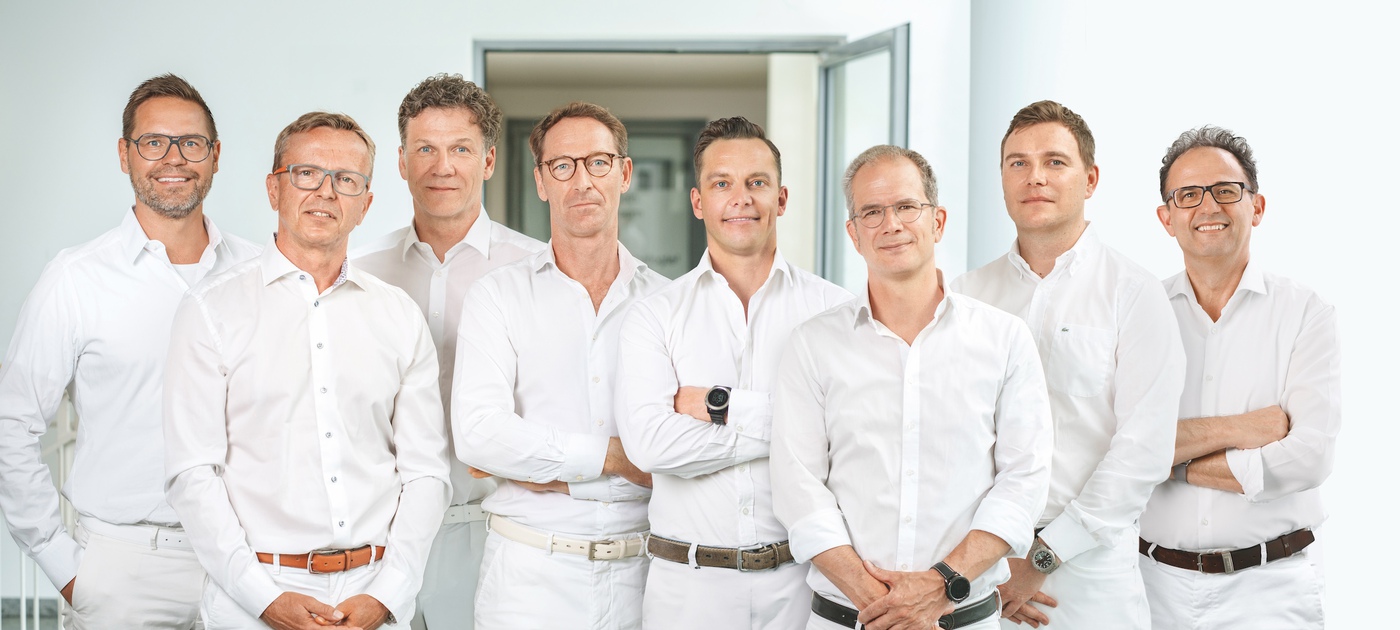
Among them, my mentor was Prof. Hube. He is one of the most authoritative experts at OCM, and his surgical skills are highly impressive. Since I also perform these procedures frequently in China, I was able to appreciate his strict attention to detail during surgery. He has very high standards, not only regarding the overall control of the surgical procedure, but also regarding the requirements for assistants and the understanding of anatomical layers. His rigorous academic attitude and dedication to surgical excellence are truly worthy of our learning and reference. However, despite his strict requirements in the operating room, Prof. Hube is a very approachable and kind person. After surgery, he would often joke with us and create a relaxed atmosphere. I felt that he was very easy to communicate with. His strictness during surgery may reflect the rigorous and meticulous spirit that is often associated with German medical practice, and this is something that I believe we can learn from.
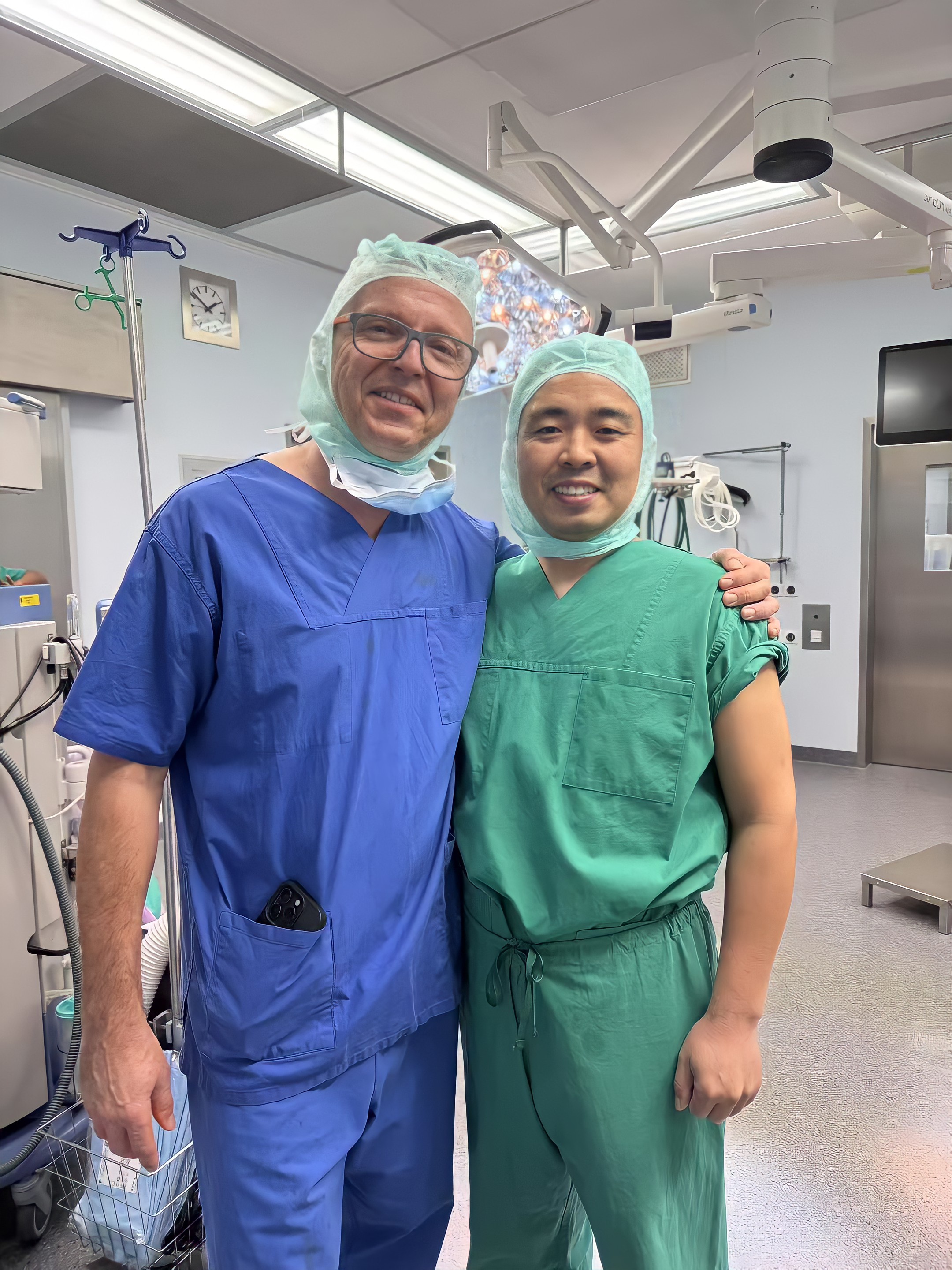
In addition, Dr. Sostheim, the teaching coordinator at OCM, was the first professor I met after arriving in Germany. As the coordinator responsible for fellows, he managed our daily surgical schedules and learning arrangements. Whenever we had questions or difficulties, he would communicate with us and provide feedback in a timely manner. I also had many opportunities to work with him in the operating room. Dr. Sostheim has a relatively gentle personality, but he is also very strict about surgical details. Although he would not place direct pressure on us during surgery, he would carefully observe our performance and discuss matters with us afterward. I found that all of them were very friendly and supportive. Overall, I believe that OCM provides a very supportive and welcoming environment for fellows. In addition to the surgeons, the anesthesiologists and operating room nursing staff were also very friendly. The overall atmosphere was relaxed and comfortable, including during breaks and daily interactions. After spending three months with them, everyone left a very deep impression on me. I felt that the entire team was kind, approachable, and created a peaceful and enjoyable working environment with a truly excellent atmosphere.
Q6: As a specialized joint replacement center, are there any differences between the clinical operation model of Orthopädische Chirurgie München (OCM) and that of hospitals in China? Do these differences have an impact on patient experience and surgical efficiency?
When I arrived at Orthopädische Chirurgie München (OCM), this was also one of the aspects that I paid close attention to and observed carefully. I was always interested in comparing the advanced joint replacement practices in Europe with our own clinical practice in China, including which aspects might be superior to ours, whether in terms of patient-centered care, surgical techniques, or other areas.
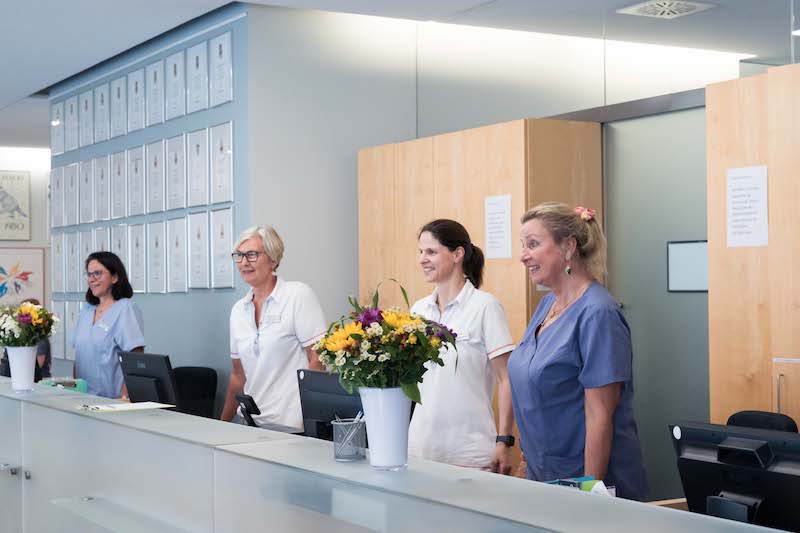
Compared with hospitals in China, the overall model of diagnosis and treatment at this specialized hospital is indeed somewhat different. This may be influenced by differences in healthcare systems and national conditions. Most of their patients are referred by specialized physicians in the community, and they mainly operate under an appointment-based system. Therefore, their patient sources are relatively stable. There are not as many patients waiting in the outpatient clinic, but they have a large number of inpatients. Their overall workflow is also very efficient. Generally, after a patient is admitted, they come to the hospital on the afternoon of the first day. During that afternoon, a series of preoperative preparations are completed, including implant planning and preoperative measurements. In most cases, these preparations can be completed on the first afternoon, and surgery can be scheduled for the following day. Most of their preoperative examinations are completed before admission, or more precisely, within the community healthcare system. This benefits from their well-established medical network and information-sharing system, through which the hospital can access the patient’s imaging data and medical records. Therefore, on the afternoon of admission, they can complete the preoperative planning and implant preparation, allowing the patient to undergo surgery very soon afterward. This greatly shortens the transition period between admission and surgery and reduces the overall length of hospital stay. I noticed that most patients undergoing joint replacement at OCM usually stay in the hospital for around four to five days, which is relatively short. After surgery, patients are transferred to designated rehabilitation hospitals or receive follow-up rehabilitation through their family rehabilitation physicians. I think this is a significant difference compared with the situation in China. For our patients, the hospital stay can sometimes be longer, often exceeding one week and lasting around ten days. In contrast, their entire treatment process is significantly more streamlined, which I believe is closely related to factors such as their healthcare and insurance systems. Of course, this is also supported by their minimally invasive, efficient, standardized surgical techniques and procedures. I believe these are valuable experiences that we can learn from and apply to improve our own clinical practice.
Q7: During your study visit at Orthopädische Chirurgie München (OCM), did you learn about any relevant research developments beyond clinical practice?
There were indeed some exchanges related to research beyond clinical practice. During these three months, I worked with the professors every day. Although it may not be accurate to say that we were together all the time, we basically worked together and assisted in surgeries on a daily basis. During the intervals between surgeries, I would take the initiative to ask the professors about related topics. The professors would also sometimes ask me if I had any questions, as they expected us to raise more meaningful questions and discuss more issues with them. Before going to Orthopädische Chirurgie München (OCM), I had already searched online for Prof. Hube, Prof. Dienst, and their academic achievements, including all the publications that were available online or had been published previously.
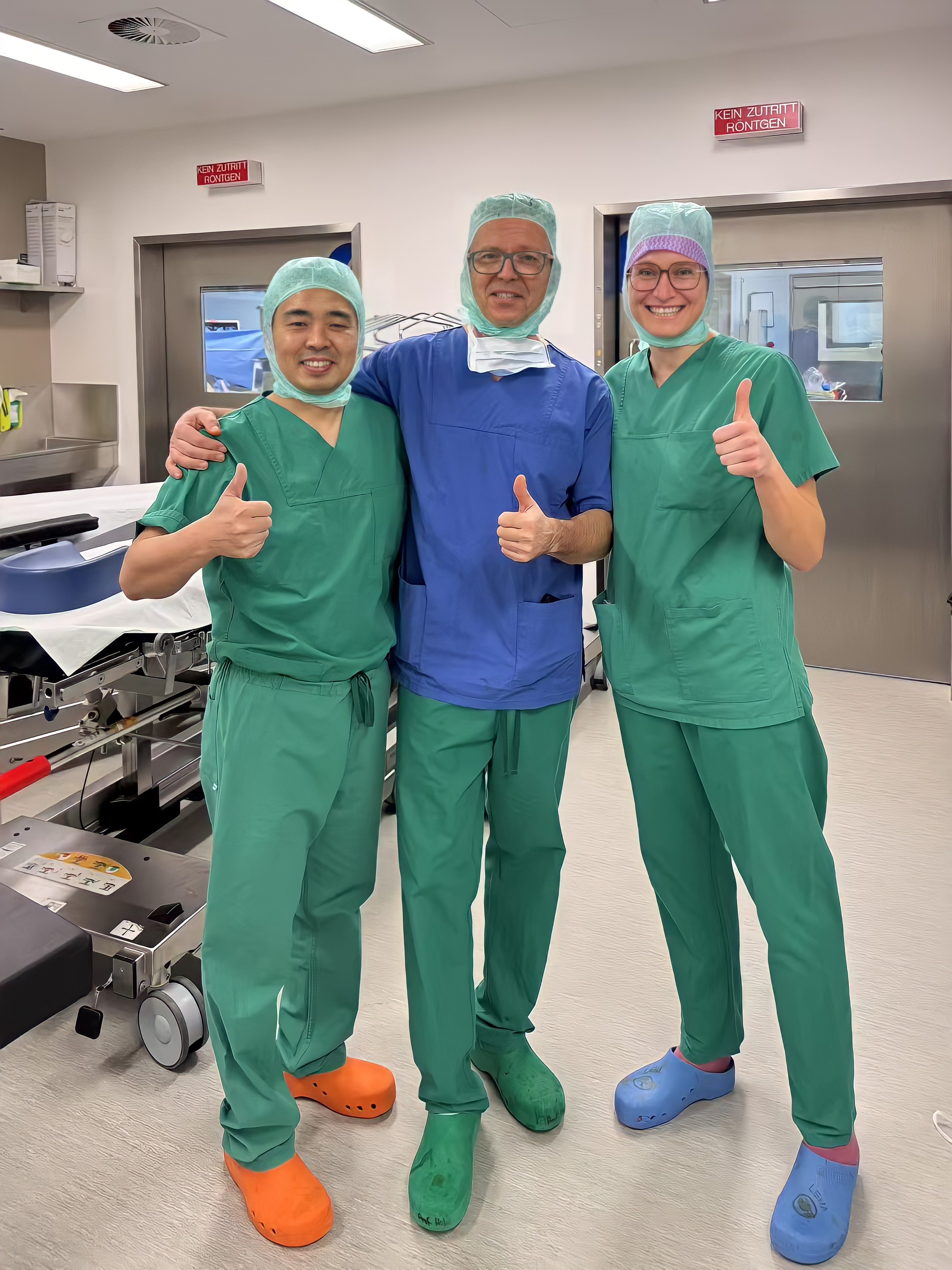
Prof. Hube, in particular, has a very high reputation as an expert in the field of joint surgery in Germany, including knee arthroplasty and hip arthroplasty. I had basically read many of his previous publications. During my visit and while observing surgeries, I also consulted him about some research-related topics, such as how comprehensive preoperative planning is achieved, how efficient and standardized surgical procedures are developed, and how minimally invasive techniques are realized through a detailed understanding of anatomy. Prof. Hube also mentioned that these achievements are the result of their long-term commitment to objective and standardized clinical practice. In addition, they are very diligent in summarizing their clinical experience. When they identify problems in clinical practice, they record them immediately, and then discuss these issues within the department through internal discussions or team-based approaches. They take problems from clinical practice and ultimately bring them back to clinical practice, developing valuable research ideas and directions. This was something Prof. Hube shared with me at that time. Regarding hip arthroscopy, Prof. Dienst is the former President of the International Society for Hip Preservation Surgery (ISHA), and he has published extensively in this field over many years. I searched for his earliest publication from the 1980s up to his recent works, and downloaded more than 30 papers where he was the first author. When I met him, I brought some of these papers with me. I told him that I hoped to observe his surgeries and that I had read many of his publications beforehand. He was very pleased and said that he was happy to have the opportunity to guide someone from China who had such a strong interest in hip arthroscopy. We then discussed many detailed aspects, including surgical approaches and intraoperative techniques. Prof. Dienst gave me very detailed explanations. We also discussed research-related topics, such as how to further improve hip arthroscopic surgery, how to develop research ideas, and how to organize and integrate different research concepts. He shared many valuable insights, which I believe require further digestion, reflection, and understanding after returning to China. We have maintained good communication with the professors, and we are still keeping in touch through email regarding some questions. I believe that with the further strengthening of these exchanges in the future, they will provide even greater support and improvement for the development of our hip arthroscopy techniques and clinical application.
Q8: Compared with your previous fellowships, what new experiences or improvements have you gained from this visit to Germany in terms of clinical learning, academic exchange, or understanding of the healthcare system?
The three-month Fellowship at Orthopädische Chirurgie München (OCM) truly broadened my horizons. In the past, as clinical doctors, we have had many opportunities to go out for further study, but most of these experiences were within China, such as visiting hospitals in Beijing, Shanghai, Guangzhou, and Shenzhen, where exchanges with domestic colleagues are relatively common. With the continuous improvement of medical devices and advances in medical technology in China, the level of joint surgery in our country has also made significant progress. However, when we step outside China and visit Europe, especially Germany, to observe their hospitals and high-level specialized orthopedic centers, we can still find differences in their workflow, surgical procedures, and overall clinical management. Compared with my previous learning experiences, this visit allowed me to directly experience a very different impact. The speed of their surgeries, the standardization of surgical procedures, and their strict requirements for sterile techniques during surgery all provided me with a very strong and direct impression. It helped me improve my understanding of diseases and surgical procedures from a deeper perspective, and I believe this was a very important aspect of my experience. In addition, my way of thinking about clinical problems has also changed. We know that German professors are generally very rigorous. When addressing a problem, they tend to emphasize standardization and objective analysis rather than incorporating too many personal factors. This approach often leads to more objective conclusions, providing a more accurate evaluation of the ultimate treatment outcomes and understanding of diseases. I believe this is an aspect that we need to pay close attention to and continuously improve in our daily clinical practice. Another important aspect was their strict requirements regarding aseptic techniques. For joint replacement surgery, we know that the greatest complication is postoperative infection. At OCM, they have very strict control over the entire operating room workflow and maintain a strong awareness of sterile principles. For example, regarding surgical hand preparation and hand disinfection, they require the process to last more than three minutes, and this requirement is strictly followed. If your hand disinfection time is less than three minutes, the scrub nurse will not help you put on the sterile surgical gown. They will wait until the full three minutes have been completed, because they consider this requirement extremely important.
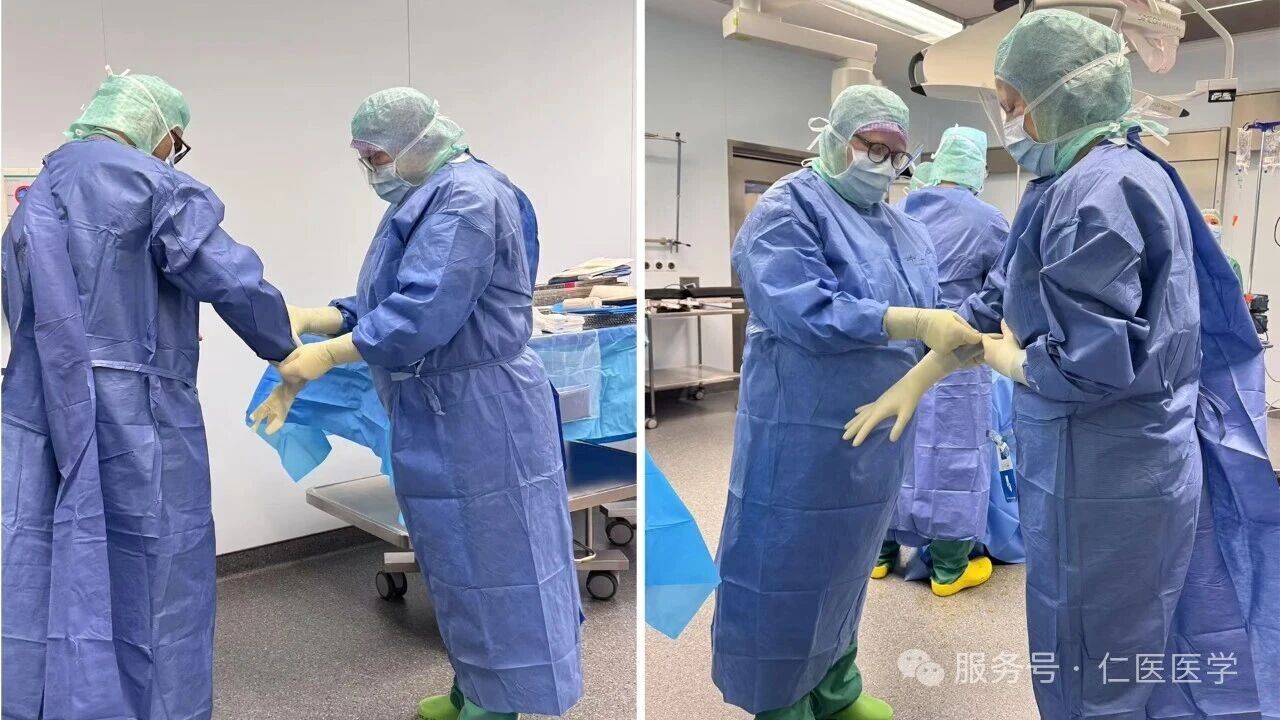
Second, during surgery, they pay great attention to the management of surgical details. For example, when tissues removed from the body, whether bone or soft tissue, are no longer needed, they have very strict requirements and do not allow them to be placed randomly on the operating table. The surgical instruments team will remove them immediately. In addition, after surgical instruments are used, they are immediately transferred away through the instrument-handling process rather than being randomly placed on the operating table, because they believe that doing so may increase the risk of intraoperative contamination and postoperative infection. I think their attention to detail was truly impressive. Compared with my previous learning experiences, this visit was very different and brought me a great deal of knowledge and valuable experience.
Q9: What is your impression of Munich?
Munich is the third-largest city in Germany, the largest city in southern Germany, and also a traditional industrial city with a long history. Overall, my impression is that it has a very strong cultural atmosphere. As the capital of Bavaria, Munich has preserved a distinctive local culture and traditions, which can be experienced both on the streets and in everyday life. Another impression is that the pace of life in the city is relatively relaxed. You can really feel the calm and comfortable atmosphere there. In addition, all shops and supermarkets are closed on Sundays, which is considered a day of rest. The entire city becomes very quiet on Sundays, without much noise or disturbance. People have sufficient time to relax and enjoy their personal lives. I think this is a very positive aspect of their lifestyle, and something that we can learn from and appreciate. Moreover, Munich has many rivers and forests, and many Germans are very passionate about sports. It is very common to see people going jogging in the morning, taking outdoor trips, or cycling. I feel that many Germans have a strong appreciation for and commitment to an active lifestyle. Overall, I think the atmosphere of the entire city is truly wonderful.
Q10: What advice or message would you like to share with doctors who are planning to participate in international fellowship or academic exchanges?
For colleagues who are about to go abroad for a study visit or who have such plans, I believe this is a very valuable and rare opportunity, and we should cherish every opportunity we have. Being able to go abroad allows us to broaden our horizons, expand our understanding of medical knowledge, and improve our understanding of surgical techniques. I think this is a very meaningful experience for us as clinicians. In addition, if we have the opportunity to go abroad, I believe there are several aspects we should prepare for in advance. First, we should learn as early as possible about the culture, customs, and lifestyle of the hospital or city we are going to visit. It is important to understand the local way of life in advance, so that we can avoid potential misunderstandings or awkward situations caused by differences in customs and traditions after arriving there. Second, we should practice our spoken English in advance. If our speaking ability or listening skills are not strong enough, the first few days or weeks after arrival may bring some difficulties. Therefore, if time allows, we should make early preparations to improve our listening skills and spoken English. Third, we should have confidence and maintain a positive attitude. I believe that no matter what difficulties we encounter or what cultural differences we may face, we can overcome them and find solutions. With this mindset, we can better complete our learning and study visit. I believe such experiences will definitely bring us great benefits and provide significant help and improvement for our future clinical work.