



From September 7-11, Dr. Grim, an internationally renowned expert in sports medicine, visited Shenzhen Second People’s Hospital ( The First Affiliated Hospital of Shenzhen University) and conducted academic exchanges around a series of aspects, including shoulder joint sport injury and complicated rotator cuff diseases, patella joint instability, meniscus injury and cartilage repair. During his visit, Dr. Grim worked on the clinical front line of the Department of Sports Medicine, engaging in in-depth exchanges with the sports medicine team at Shenzhen Second People’s Hospital through surgical guidance, academic lectures, and discussions of challenging cases. He shared cutting-edge clinical concepts and surgical experience.
Dr. Grim currently serves as Chief Physician of the Department of Orthopaedics and Sports Medicine at Klinikum Osnabrueck, which is part of the Osnabrueck Centre for Musculoskeletal Surgery (OZMC). He is also President of The Society for Orthopedic-Traumatological Sports Medicine (GOTS) in 2026, and previously served as Lead Orthopaedic Physician and Deputy Chief Medical Officer of the German Olympic Team at the Rio, Tokyo, and Paris Olympic Games. He will continue to serve in this capacity at the 2028 Los Angeles Olympic Games. Dr. Grim is also a member of the Sports Medicine Section of the German Society for Orthopaedics and Trauma (DGOU), with extensive clinical experience and international recognition in sports medicine, shoulder, elbow and knee surgery, and medical care for elite athletes.
Surgical guidance and Masterclass
September 7
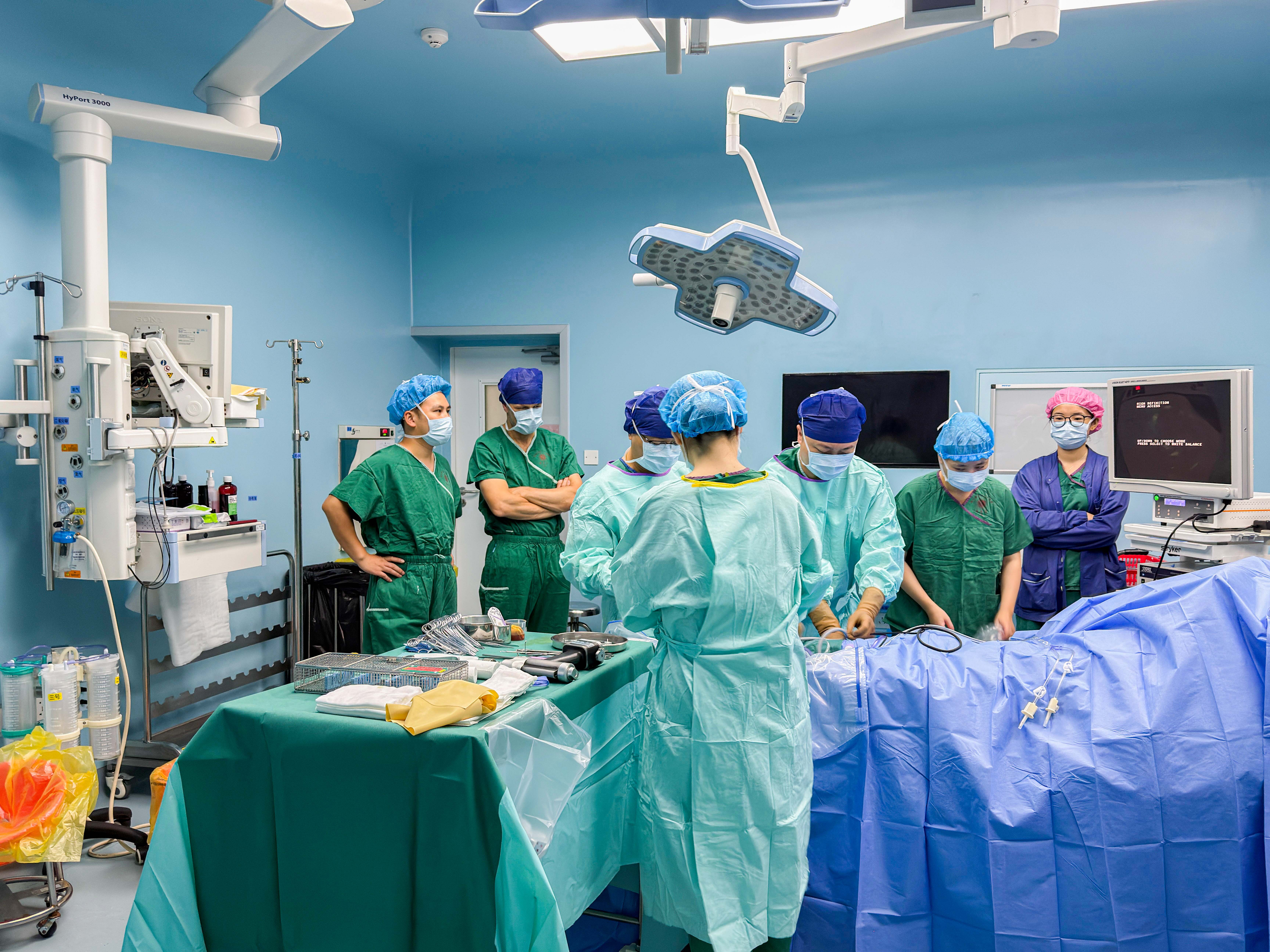
On the morning of September 7, Dr. Grim engaged in an academic exchange with the sports medicine team at Shenzhen Second People’s Hospital before entering the operating room to provide surgical guidance. Preoperatively, the two sides discussed the patient’s imaging findings, the extent of the rotator cuff tear, and tissue quality. Intraoperatively, they focused on key techniques including arthroscopic rotator cuff repair, suture anchor placement, tendon reduction, and suture configuration. Deputy Chief Physician PENG, Liangquan also demonstrated the team’s Lasso Loop suture technique, and the two sides engaged in an in-depth discussion of the characteristics of different suture configurations in terms of tissue grasping, tension distribution, and repair stability.
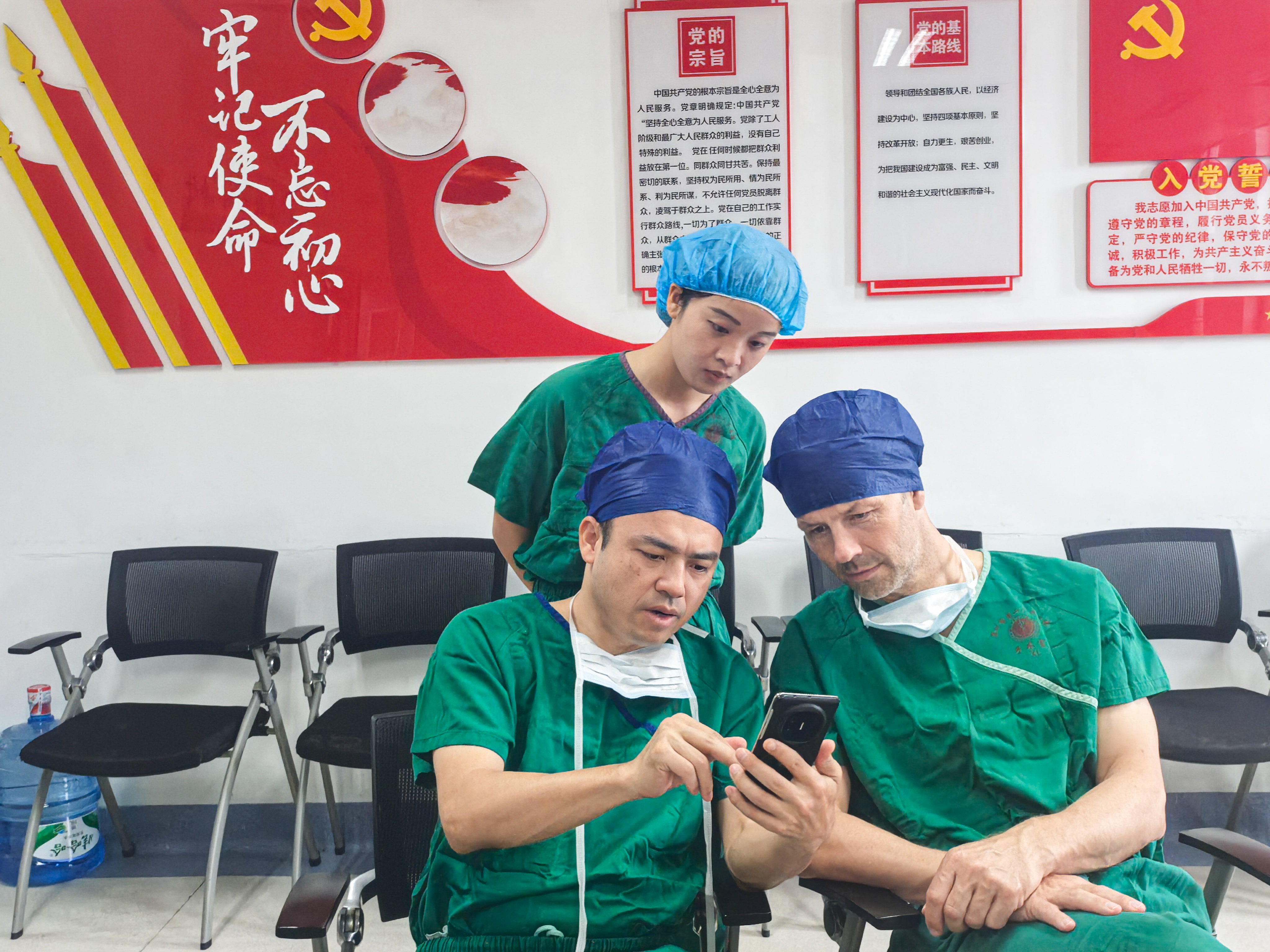
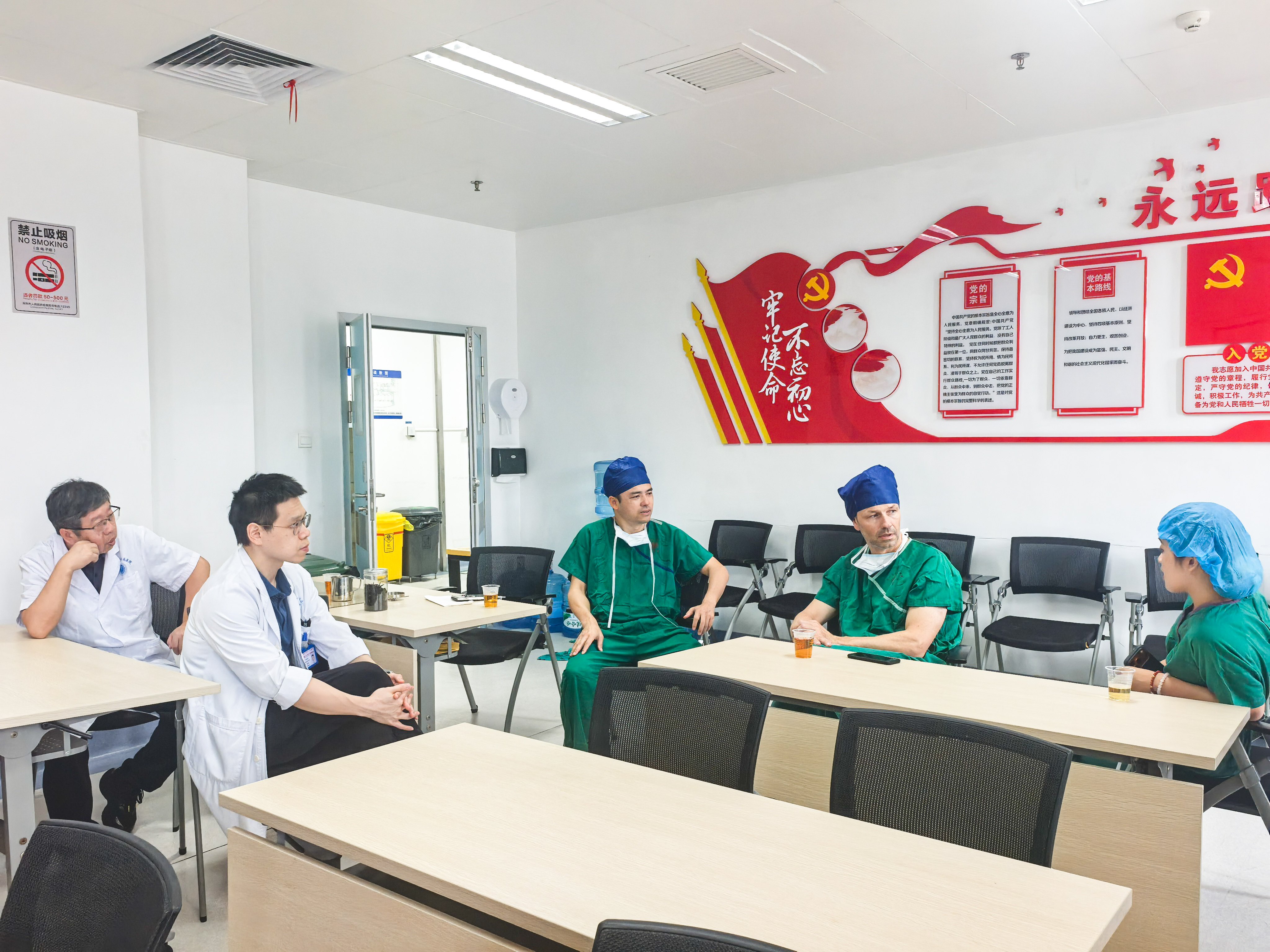
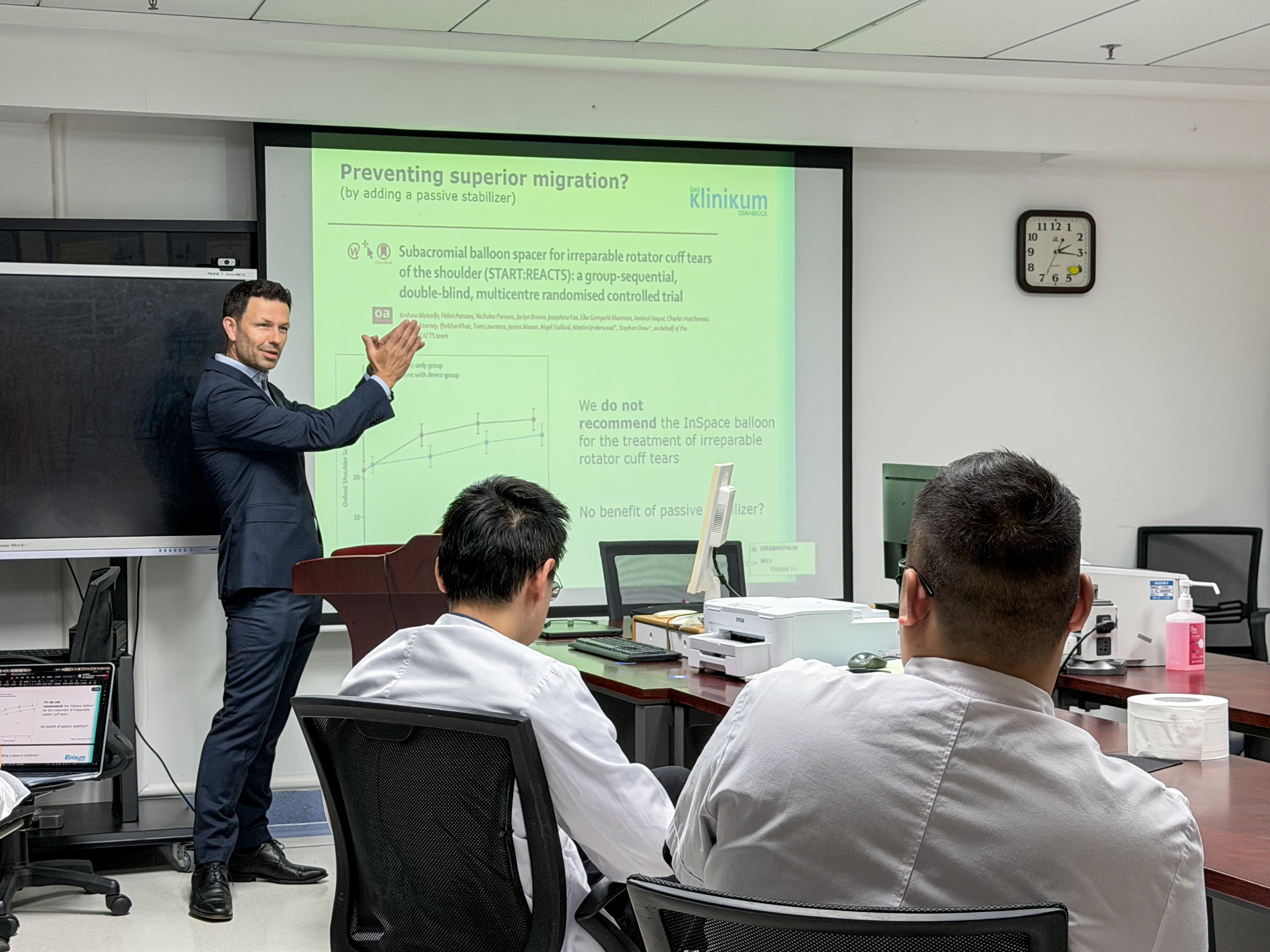
In the afternoon, Dr. Grim delivered a masterclass on partial repair of massive and irreparable rotator cuff tears, systematically reviewing different treatment strategies and their indications from an evidence-based medicine perspective. He focused on treatment goals of pain relief, passive stability, and active stability, emphasizing that individualized decision-making should take into account shoulder biomechanics, scapulothoracic motion, muscle force couples, and dynamic stabilization mechanisms. The two sides subsequently discussed clinical issues including subscapularis retraction and release, as well as the indications and limitations of acromioplasty. They also engaged in in-depth discussions of challenging cases, including suspected concomitant synovial chondromatosis in a patient with calcific tendinitis and post-traumatic muscle injury with rotator cuff tear, focusing on imaging assessment, differential diagnosis, surgical feasibility, and functional recovery.
September 8
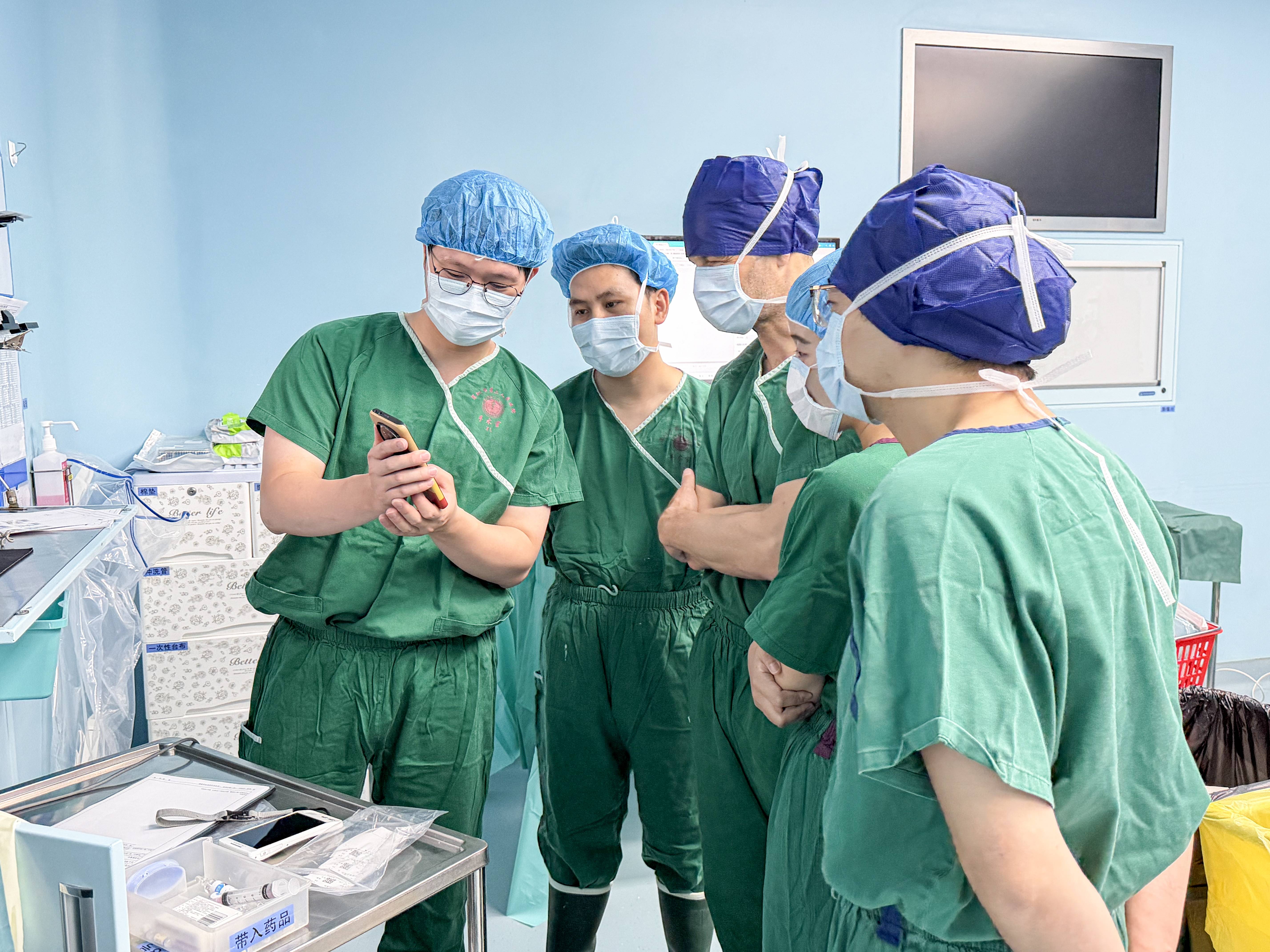
On the morning of September 8, Dr. Grim provided surgical guidance and engaged in preoperative discussions with LIU, Haifeng, Chief Physician, LI, Hao, Chief Physician, and WU, Bing, Attending Physician, all from the Department of Sports Medicine. They also discussed specific cases intraoperatively. Dr. Grim observed several procedures, including surgery for a patient with a rotator cuff injury complicated by synovial chondro-pathology, ACL reconstruction, and debridement for an ankle sprain. During the ACL reconstruction, Dr. Grim exchanged views with the Sports Medicine team on the selection of surgical approaches and their clinical rationale. Drawing on specific cases, they discussed the significance of different approaches in anatomical localization, surgical exposure, and operative techniques. The exchange was closely grounded in clinical practice, with in-depth discussions and an active academic atmosphere.
On the afternoon of September 8, Dr. Grim delivered a masterclass on “Biological Augmentation in Rotator Cuff Repair,” which attracted a large number of clinicians. During the masterclass, Dr. Grim first examined the causes of failed rotator cuff repair and postoperative re-tear, and then provided a systematic overview of the major biological augmentation strategies currently used in the field of rotator cuff repair. These included growth factor delivery mediated by platelet-rich plasma (PRP) gels, biochemical modulation strategies such as the application of hyaluronic acid-based materials, as well as mechanical augmentation and scaffold-based support. Drawing on a comprehensive review of the domestic and international literature, Dr. Grim systematically explained the available evidence on different augmentation approaches in terms of structural outcomes assessed by imaging, short- and long-term clinical outcomes, and postoperative re-tear rates. He analyzed the advantages and limitations of these approaches from a scientific, rigorous, and objective evidence-based medicine perspective. Dr. Grim noted that, for high-risk cases such as massive rotator cuff tears, current evidence suggests that the use of platelet-rich plasma (PRP) gels for localized growth factor delivery may significantly reduce the postoperative re-tear rate. However, because the level of evidence in the available studies varies considerably, with relatively few high-quality randomized controlled trials (RCTs) and a greater number of early exploratory studies, there is still insufficient and consistent high-quality evidence to demonstrate that biological augmentation provides patients with clear, clinically significant, and sustained long-term benefits.
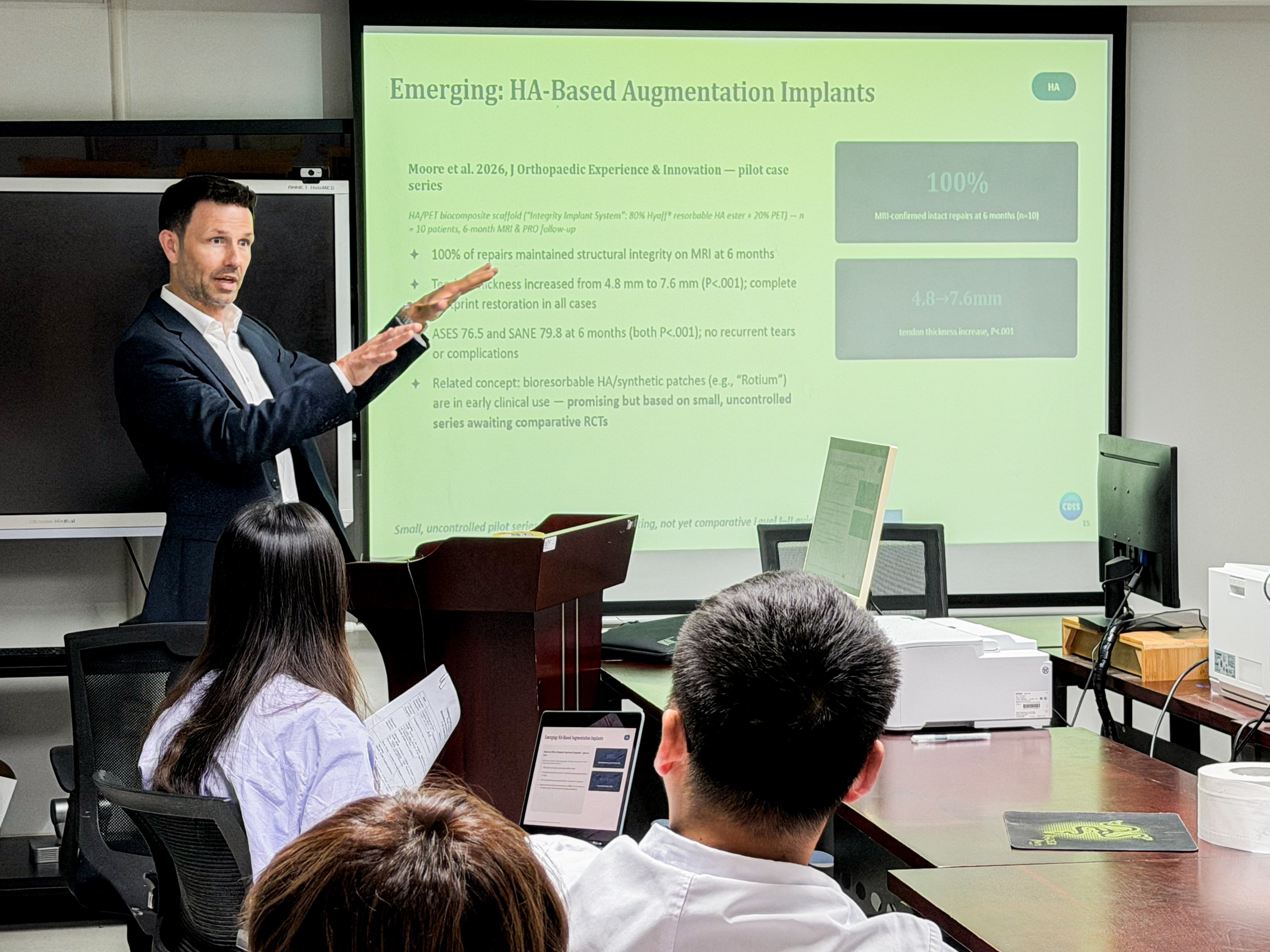
During the open discussion session, participating doctors focused on the methods of PRP administration and its clinical application, while also discussed on whether routine microfracture of the rotator cuff footprint is necessary during rotator cuff repair. The session featured extensive academic exchange and further promoted the integration of clinical practice with evidence-based medicine.

September 9
On the morning of September 9, Prof. Grim visited the Department of Sports Medicine and, following discussions with Prof. OUYANG, Kan, Director of the Department, proceeded to the operating room to observe hip arthroscopy and arthroscopic rotator cuff repair Postoperatively, Dr. LI, Ying and Dr. Grim held an in-depth exchange on the surgical management of shoulder instability, focusing on the technical details of Bankart repair, the indications for the remplissage procedure, and implant selection for reverse shoulder arthroplasty. In the afternoon, Dr. LI, Ying organized a professional meeting between Dr. Grim and the Chinese representative of Lima Shoulder Prostheses. The discussion focused on implant sizing and matching, including size selection based on the anatomical differences between Asian and European patients and considerations of the risk of implant - bone impingement during set configuration.
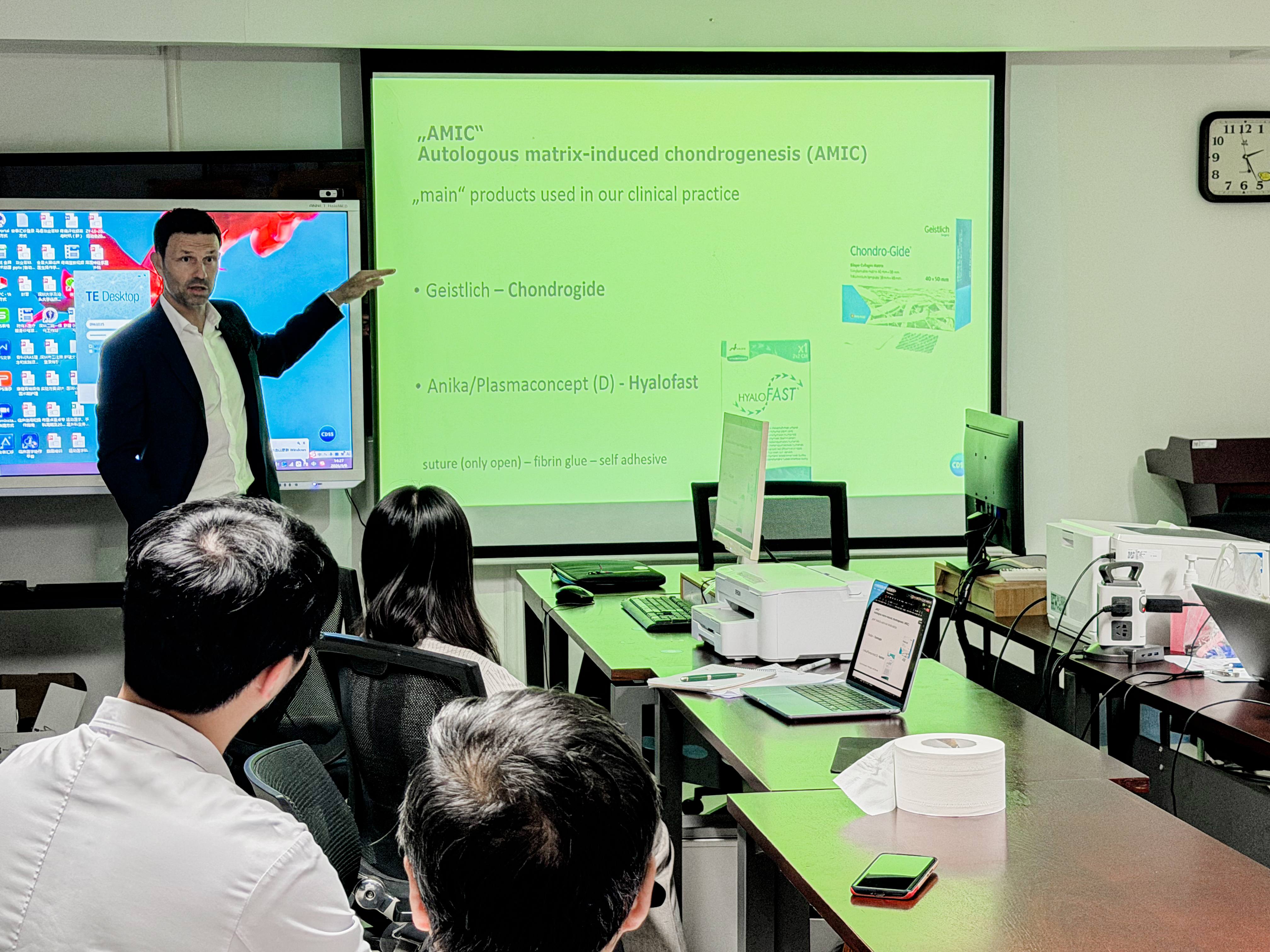
On the afternoon of September 9, Dr. Grim delivered a masterclass on “Marrow Stimulation Augmentation Strategies”, focusing on the application of marrow stimulation techniques in cartilage injury repair and its latest advances. During the lecture, Dr. Grim mainly explained the key technical considerations in microfracture, including drilling depth, direction, and angle, and systematically analyzed the indications for scaffold-based treatment of cartilage defects. He then introduced commonly used cartilage repair scaffolds and related emerging technologies, including exosome-based scaffolds, gene-activated biomaterial scaffolds, and advanced cartilage repair scaffolds routinely used in his department. Finally, drawing on the available literature, Dr. Grim conducted an evidence-based analysis of the clinical outcomes of different marrow stimulation and augmentation strategies, providing an objective assessment of their clinical value and the limitations of current evidence.
September 10
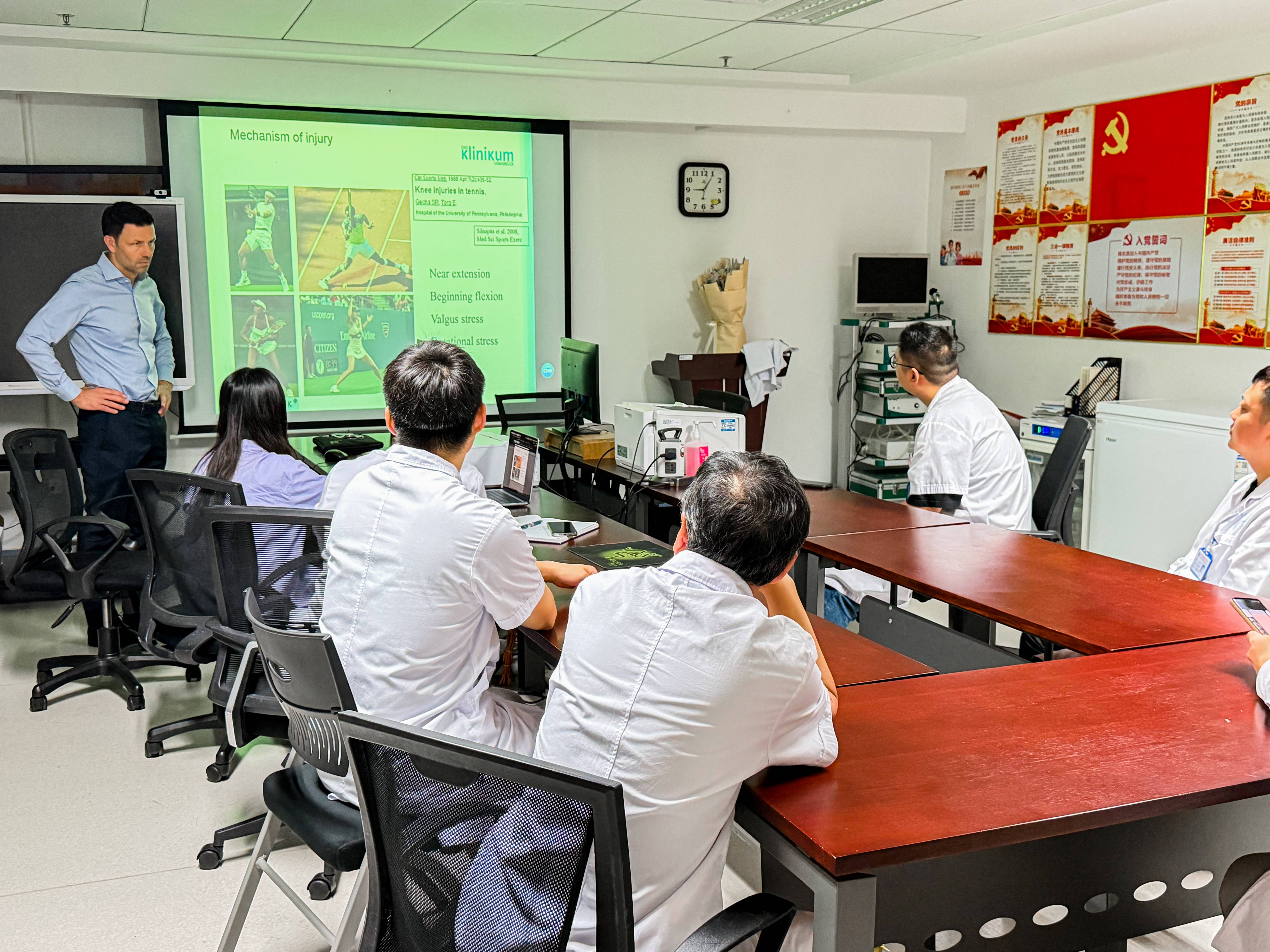
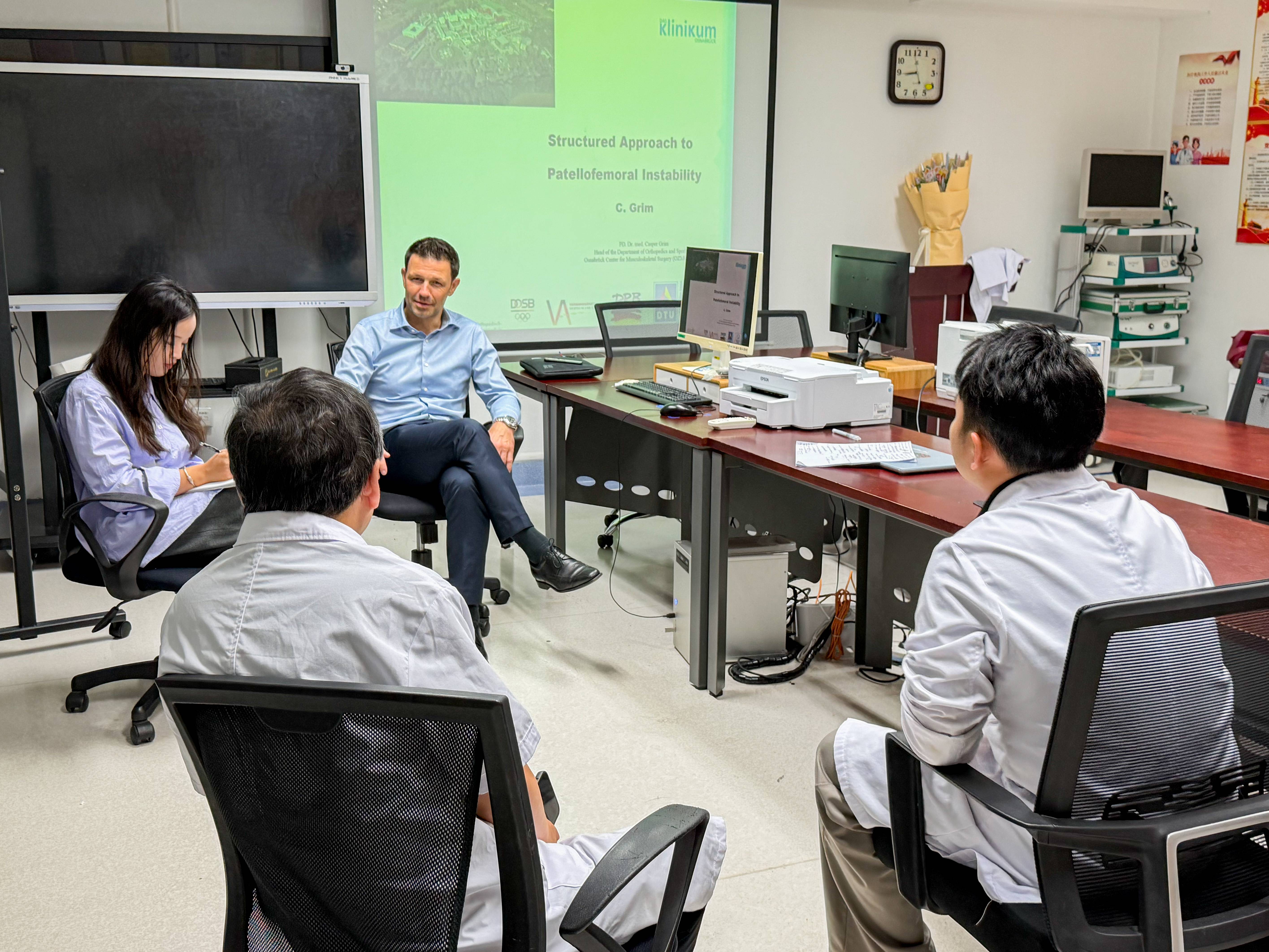
On the morning of September 10, Dr. Grim delivered a masterclass on “Patellofemoral Instability.” He systematically analyzed the risk factors for patellofemoral instability from three perspectives—ligamentous, muscular, and osseous factors—and introduced corresponding surgical treatment strategies for different pathological conditions, including medial patellofemoral ligament (MPFL) reconstruction, trochleoplasty, tibial tubercle transfer, and corrective osteotomy for femoral and tibial deformities. At the end of the lecture, Dr. Grim compared the treatment strategies for first-time patellar dislocation and recurrent patellar dislocation, highlighting the differences in their clinical characteristics and management approaches. During the open discussion session, the participating doctors discussed a range of clinical issues, including the optimal fixation site for MPFL reconstruction, the specific operation in trochleoplasty, the extent and location of osteotomy, the degree of femoral rotational deformity that warrants corrective osteotomy, and the desired alignment and rotational parameters following osteotomy. The discussion was highly engaging, with active participation and lively academic exchange among the attendees.
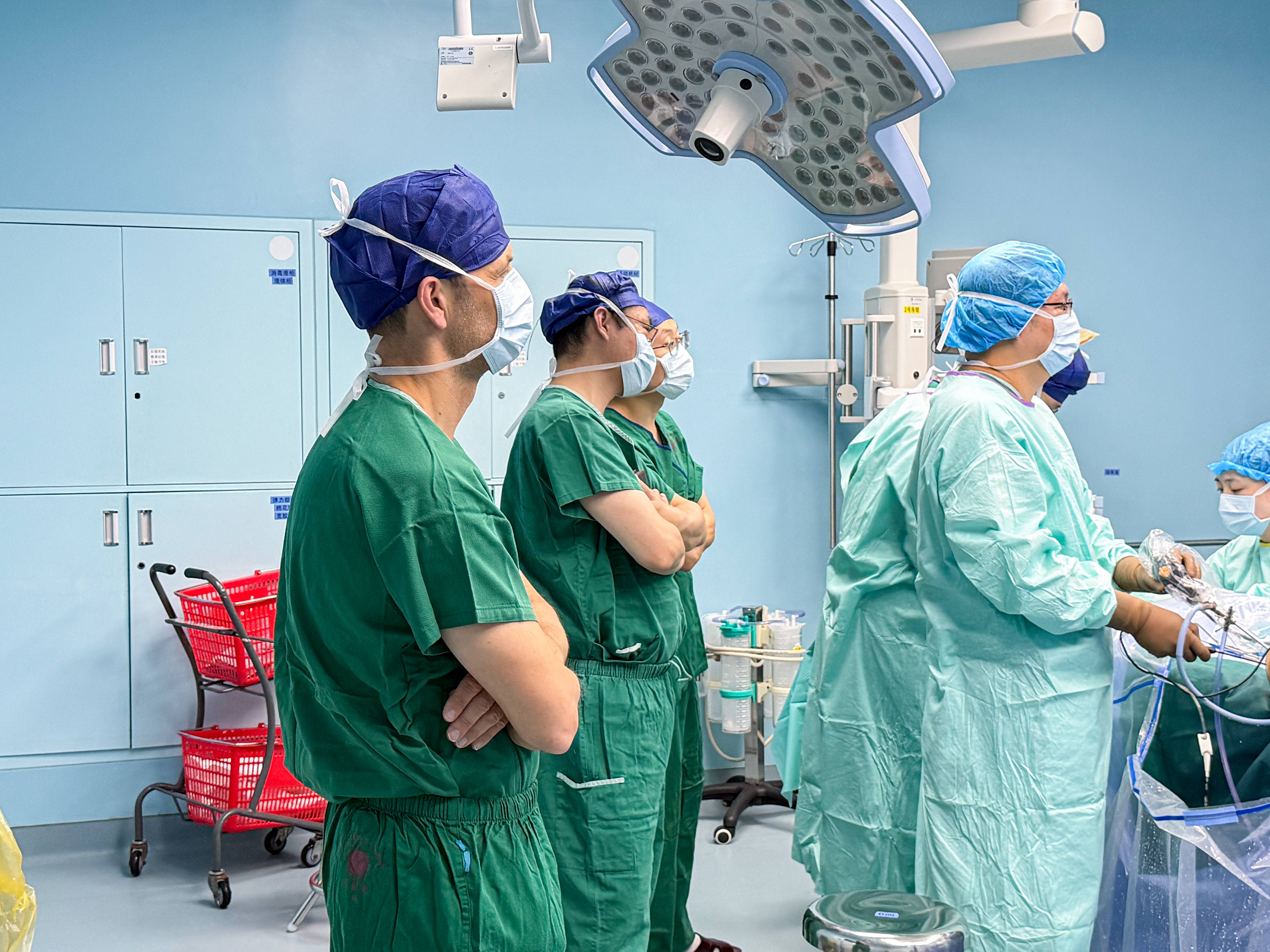
On the afternoon of September 10, Dr. Grim met with Prof. ZHU, Weiming, Deputy President of Shenzhen Second People’s Hospital and Chief Physician of the Department of Sports Medicine. They conducted a preoperative discussion on a patient undergoing ACL reconstruction and further discussed key operative considerations postoperatively. On the same day, Dr. Grim also observed and provided guidance during multiple surgical procedures, including meniscus repair, ACL and PCL reconstruction, and rotator cuff repair.
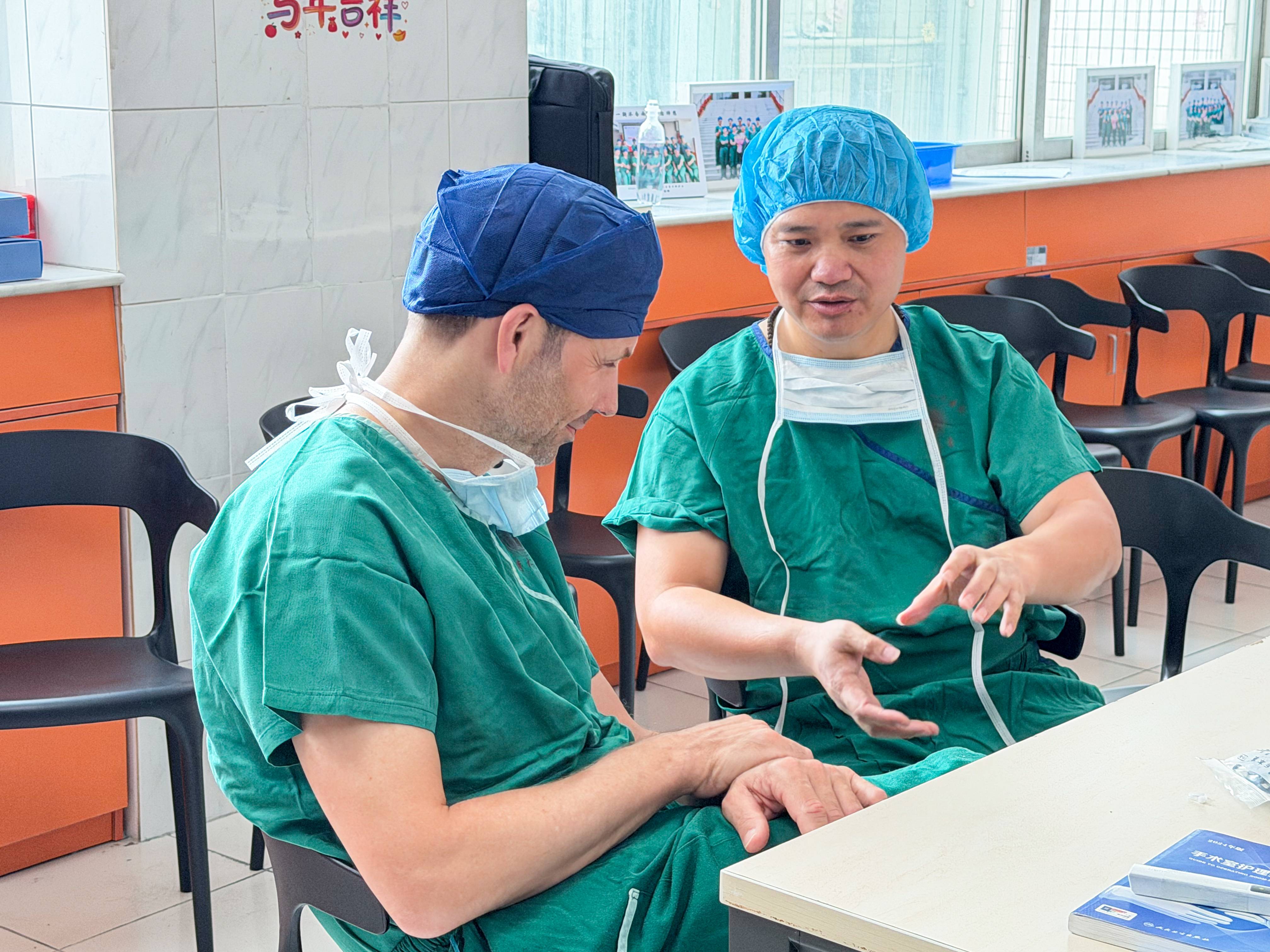
During discussions with the department’s doctors, the two sides focused on the selection of ACL grafts, the use of artificial ligaments for augmentation when the autologous hamstring tendon is of insufficient diameter, whether grafts should be soaked in vancomycin prior to implantation, and the use of remnant-preserving techniques in ACL reconstruction. Drawing on specific clinical cases, they engaged in an in-depth discussion of the selection and clinical application of these techniques.
Sports Health Guidance
September 11
On September 11, at the invitation of the Department of Sports Medicine and the Shenzhen Sports School, Dr. Grim visited the Shenzhen Sports School to provide sports health guidance. Together with Prof. OUYANG, Kan, Director of the Department of Sports Medicine, and his team, Dr. Grim provided professional medical advice to the athletes.
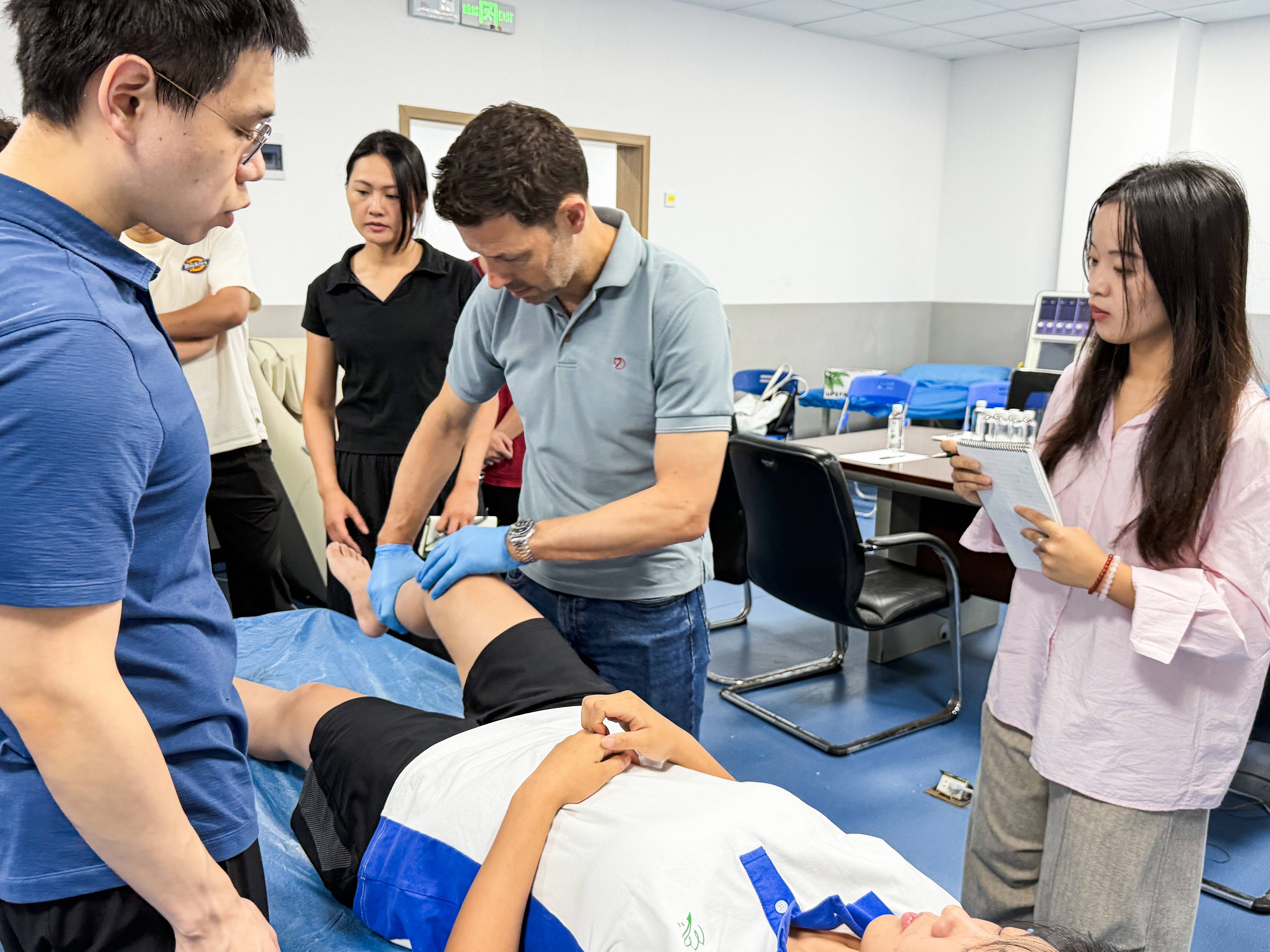
During the visit, Dr. Grim and the sports medicine team conducted consultations and assessments for a number of young athletes participating in judo, taekwondo, water polo, wrestling, and badminton. For sports injuries associated with the specific characteristics and training loads of different disciplines, the team conducted comprehensive assessments of soft-tissue and osseous injuries involving the shoulder, knee, ankle, hip, spine, and other anatomical regions, integrating each athlete’s specific symptoms, the site of injury, and imaging findings from MRI, CT, and other modalities. Based on the individual circumstances of each athlete, the team provided targeted recommendations regarding treatment plans, rehabilitation programs, and subsequent training.
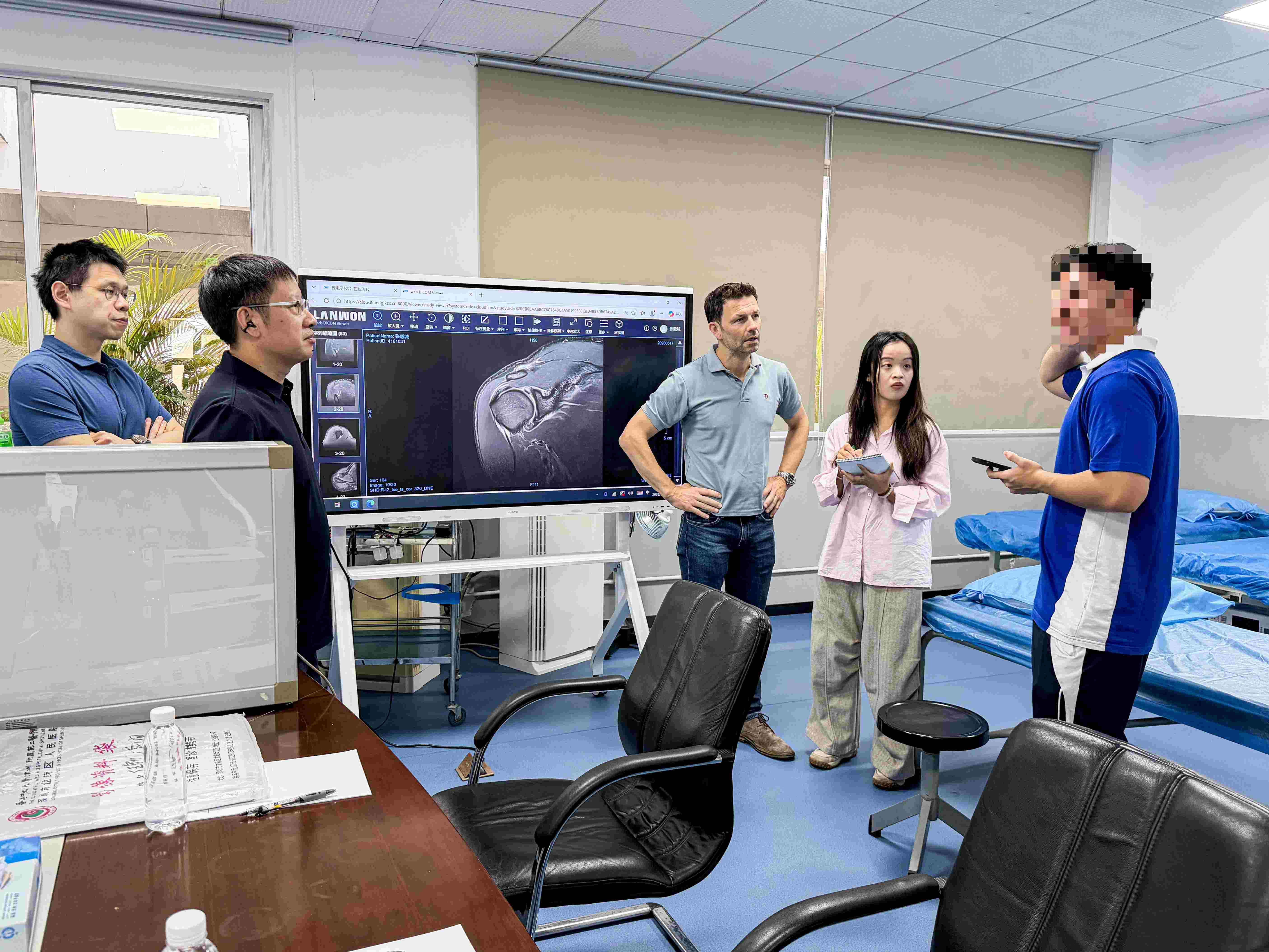
Subsequently, TONG, Jianjun, Director of the Medical Department of Shenzhen Sports School, chaired a thematic discussion. Participants engaged in an in-depth exchange on issues including the on-site management of acute injuries during competitions and the maintenance of athletic performance, post-competition rehabilitation and return to sport, prevention of sports injuries during routine training, and the management of overtraining. Drawing on his extensive experience as Lead Orthopaedic Physician and Deputy Chief Medical Officer of the German Olympic Team at multiple Summer Olympic Games, Dr. Grim shared his experience in medical support for elite athletes from an international sports medicine perspective. He discussed the on-site management of sports injuries, rehabilitation, and athlete health management, providing valuable insights for further improving comprehensive sports medicine support throughout the athlete’s training and competition cycle.

During the five-day visit, Dr. Grim and the Department of Sports Medicine at Shenzhen Second People’s Hospital engaged in in-depth academic discussions on the diagnosis and treatment of sports injuries, surgical techniques, and sports health care for athletes. Through surgical observation and guidance, academic lectures, case discussions, and athlete consultations, they explored advanced techniques and clinical approaches in these fields based on clinical practice. The exchange further deepened international academic collaboration and clinical cooperation, while providing valuable insights into enhancing clinical practice in sports medicine and the comprehensive management of sports injuries.